What You Get

  • Print-ready STL & 3MF files for the full RC car
  • Complete electronics and hardware BOM
  • Proven designs tested in real driving conditions
  • Assembly and testing videos on YouTube

These are digital files. You print and assemble the RC car yourself.

About the Maker

I’m Eugene, an engineer and maker who builds real, working machines - from 3D-printed RC cars and FPV vehicles to robotic and electronic systems. I document the full build and testing process on my YouTube channel and share the exact files and parts lists so others can build and improve these projects themselves.

Is This for You?

✅ You have a 3D printer
✅ You enjoy building and tuning
✅ You want real RC performance
✅ You prefer projects over toys

❌ You want a ready-to-drive toy
❌ You don’t want to assemble anything
❌ You expect plug-and-play

FAQ

What printers and materials are recommended for printing this RC car?

For optimal performance and durability:

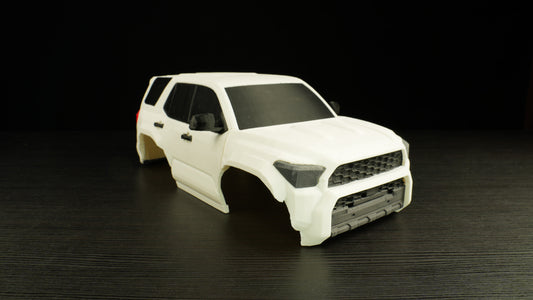
  • PLA is suitable for non-load-bearing parts like body shells, interior details, or aesthetic components. It prints easily and looks good but lacks strength for functional parts.
  • PETG or Nylon (PA) are strongly recommended for load-bearing parts such as suspension arms, drive components, and gears. These materials provide greater flexibility and strength under stress, especially in high-speed impacts.

For best results, ensure your printer is capable of printing these materials (e.g., has an all-metal hotend for PETG/Nylon, and enclosure for Nylon).

A full breakdown of which parts to print with each material- and footage of the car being tested-is available in this video: Recommended materials & torture test.

How durable are 3D-printed RC car parts?

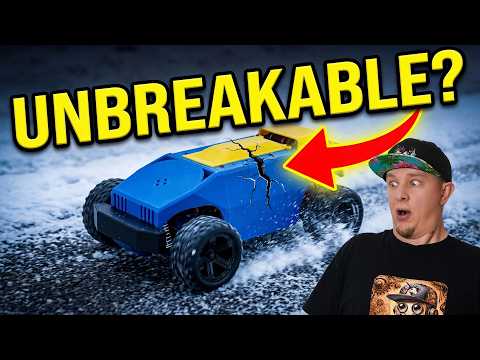
While 3D-printed parts can be surprisingly tough- especially when printed in PETG or Nylon- they're still made from plastic and will eventually break under stress, especially during crashes or high-impact use.

The good news? Replacements are cheap and fast. One of the biggest advantages of a 3D-printed RC car is that you can reprint any broken part for just a few cents. There's no need to order spares or wait for shipping- just hit "print" again.

The MadBaxRC design was tested through real-world use and breakages, and improved iteratively over time. You can see that test-and-retry process documented here: Durability test & evolution video.

What electronics do I need (and are they included)?

The digital files include everything you need to 3D print the car’s body and chassis- but no electronics or hardware are included.

To complete the build, you’ll need standard RC components like a brushed motor, ESC, servo, radio system, and battery. A full list of required electronics and compatible parts is available in the Bill of Materials (BOM).

You’re free to source the electronics from wherever you prefer- the BOM includes direct links for convenience, but feel free to shop around for better prices or brands you trust.

How does the performance compare to a store-bought RC car?

The MadBaxRC was designed to compete with hobby-grade, store-bought RC cars- not toy-grade models. When built with the recommended electronics, it can reach speeds of up to 35 km/h (22 mph) and run for 30+ minutes on a 3S LiPo battery.

It features:

  • 4x4 - four-wheel drive
  • Independent suspension for handling off-road terrain
  • Durable drivetrain with metal shafts and bearings
  • Replaceable parts you can print yourself for pennies

While prebuilt RC cars might come ready-to-run, the MadBaxRC gives you customizability, repairability, and the satisfaction of building it yourself- all while offering real performance.

Is this project suitable for beginners?

Yes-with some patience! This project is beginner-friendly if you’re comfortable with basic 3D printing and willing to follow build guides. No advanced skills are required, but some experience with assembling electronics (like plugging in an ESC, motor, and servo) will help.

You’ll get:

  • A detailed Bill of Materials with all required parts
  • Step-by-step video guides to walk you through the assembly
  • A design that's been tested and improved through real-world use

If you're just starting out in the RC or 3D printing world, this is a great first challenge- and you'll learn a lot along the way. And if anything breaks? Just print it again.

How do I build a durable 3D printed RC car?

Durability comes down to smart material choices, printer settings, and a strong design- which is exactly what MadBaxRC was built for. To maximize strength:

Use the right materials:

  • PETG or Nylon for load-bearing parts (suspension arms, drivetrain, etc.)
  • PLA is fine for body shells or non-structural parts

See our full material guide: Recommended materials & torture test

Print with strength in mind:

  • Use at least 40–50% infill or solid layers for critical parts
  • Add extra perimeters (3- 4 walls) to reinforce arms and mounts
  • Orient parts on the print bed to minimize layer stress (e.g., avoid printing arms standing upright)

Keep your printer tuned:

  • Check belts, extrusion, and temps for solid prints
  • Dry your filament- especially Nylon and PETG- for best layer bonding

Start with a tested design:
MadBaxRC was designed with real-world impacts in mind. We tested, broke, and improved it through dozens of crashes. You can see that development here: Durability evolution video

What parts do I need for a 3D printed RC car?

To build the full RC car, you’ll need a combination of 3D-printed parts and standard RC electronics and hardware.

🔧 You’ll need:

  • 3D-printed chassis and body components (included in the STL/3MF files)
  • Brushed motor (550-size recommended)
  • ESC (Electronic Speed Controller)
  • MG90S steering servo
  • 2.4GHz radio transmitter & receiver
  • 3S LiPo battery (max size: 110 × 35 × 25 mm)
  • Pinion gear, bearings, wheels, and various screws

📋 The full, detailed Bill of Materials (BOM) is available here:
👉 3D Printed RC Car Parts List (BOM)

You can buy components directly from the links on the BOM page, or shop around wherever you prefer. It’s completely up to you.